Inglewood’s 2026 Mayoral Race: Results, Candidates and What Comes Next
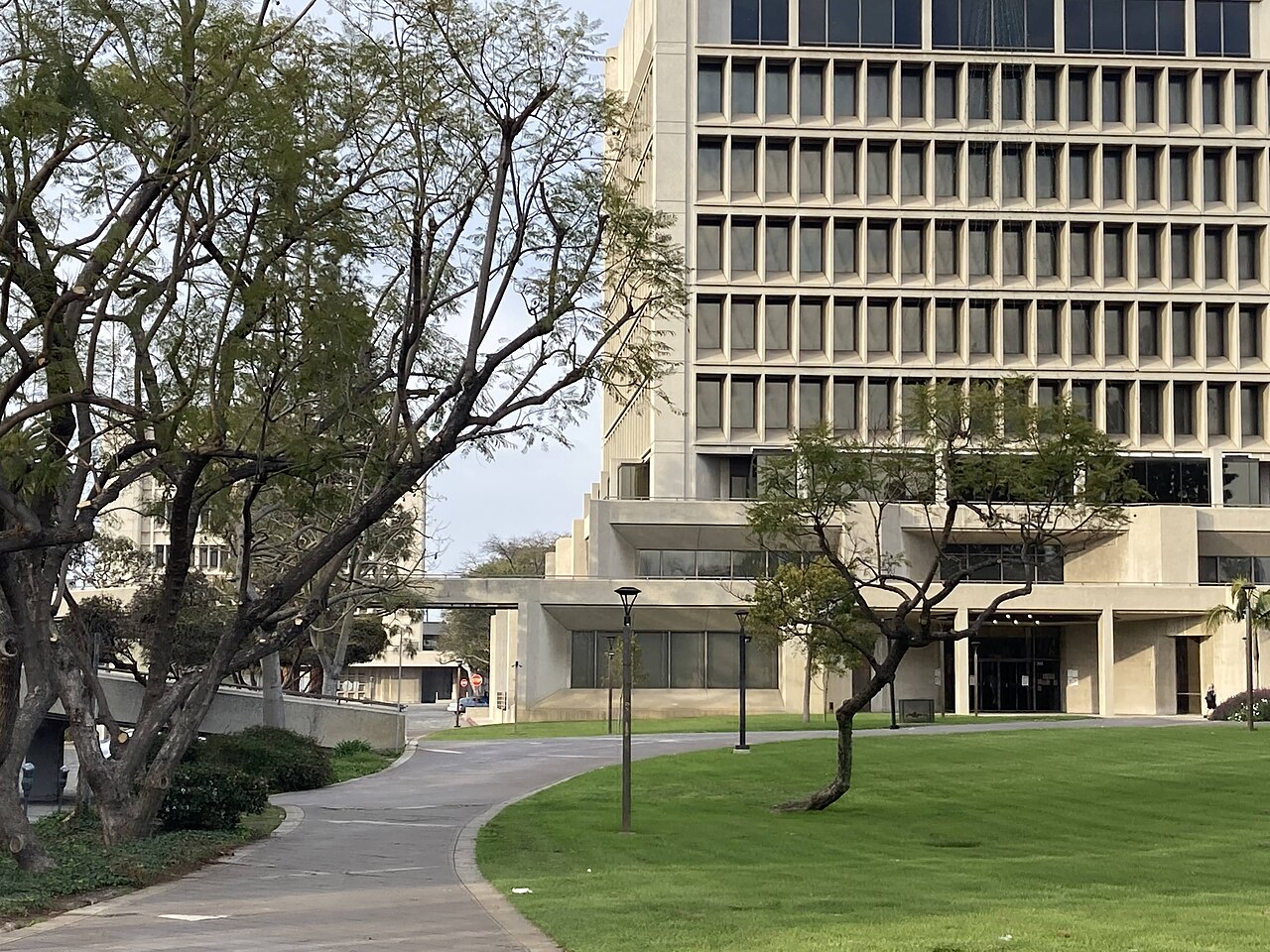
File photo. Inglewood City Hall on February 11, 2021. Archival venue photo; not a photograph of the 2026 mayoral election. Photo: Sony 1992 / Wikimedia Commons · CC0. Resized for display; display crop may vary.
INGLEWOOD — Councilmember Gloria D. Gray leads Mayor James T. Butts in the latest county count of Inglewood’s November 3 mayoral election, but neither has the majority needed to win outright. The six-candidate contest is pointing toward a second round, with the city’s future direction still undecided.
The election comes as residents weigh the benefits of Inglewood’s sports and entertainment economy against everyday concerns about housing, traffic, public spending and access to City Hall. Here is where the count stands, who ran and what residents should watch next.
The latest results
The Los Angeles County Registrar-Recorder/County Clerk’s update dated November 19, 2026, at 4:22:52 p.m. lists the following results. These are unofficial returns, not a certified outcome.
| Candidate | Votes | Share |
|---|---|---|
| Gloria D. Gray | 10,514 | 31.75% |
| James T. Butts | 8,955 | 27.04% |
| Fre’Drisha “Sha” Dixon | 6,440 | 19.45% |
| Raina Carrillo | 4,243 | 12.81% |
| Joe Soto | 1,892 | 5.71% |
| Arturo Martinez | 1,072 | 3.24% |
Percentages use the same county update and represent votes counted in this contest, rather than all registered voters. The City Clerk has corrected Dixon’s surname, which appears as “DIXION” on some election materials. Votes marked for that entry count for Dixon; voters do not need to take corrective action.
Why a runoff is possible
Although voters cast ballots during the statewide general election, the city’s mayoral contest is a primary nominating election. As The LA Local explains, a candidate needs more than half the vote to win outright. If nobody reaches that threshold, the top two finishers advance to a runoff.
Gray and Butts currently occupy those positions. A lead in this count does not by itself elect a mayor. Final results must establish the qualifying candidates, and voters would then make a separate choice in the second round. This article does not give a runoff date because a date has not been confirmed in the city election information reviewed for publication.
The candidates and their priorities
Gloria D. Gray represents District 1 on the City Council and previously chaired the Metropolitan Water District board. In candidate responses published by The LA Local, she proposes preserving affordable homes, protecting longtime residents from displacement and expanding opportunities for local businesses. She also favors evening council sessions and stronger coordination of event traffic.
James T. Butts, mayor since 2011, is seeking a fifth term. His campaign emphasizes investment and economic development. In the same voter questionnaire, he supports affordable housing, local jobs and transit improvements, while defending his administration’s record. His pitch asks voters to continue the development strategy associated with the city’s transformation.
Fre’Drisha “Sha” Dixon is an attorney and community organizer. Her questionnaire responses emphasize housing stability, accountable policing and easier access to public information. She proposes evening meetings, stronger public participation and routing event traffic away from residential streets.
Raina Carrillo is a community worker and lifelong resident. Her campaign priorities include youth mentorship, violence prevention, support for entrepreneurs and development that benefits existing residents.
Joe Soto is a small-business owner. The Inglewood Independent’s candidate guide describes him as a third-generation resident whose platform includes opportunities for young people, neighborhood businesses and term limits.
Arturo Martinez is an IT director with a technology and business background. His campaign calls for housing protections, financial scrutiny, police body cameras and greater contributions from major venues toward their impacts. These summaries describe campaign priorities, not promises already fulfilled.
The issues beyond the horse race
Housing and neighborhood access. Candidates share a stated concern about residents being priced out, but voters should examine the details: which homes would be protected, how new housing would be financed and what enforcement would follow. Traffic proposals likewise need budgets, responsible agencies and measurable improvements for people trying to reach home on event days.
City finances and stadium development. The LA Local’s September budget reporting identified a projected $30.8 million general-fund gap for 2026–27. Officials said reserves could cover the shortfall and anticipated revenue growth. That makes the distinction between recurring income and one-time savings central to assessing future spending commitments.
The same report connects the budget debate to ticket taxes and billboard revenue. Those disputes illustrate a larger question for the next mayor: how to turn major events into dependable neighborhood services while accounting for the costs of hosting them.
Transparency and Olympic preparation. Residents can compare candidates’ proposals for accessible meetings and clearer spending information with the decisions ahead. LA28 lists Inglewood’s stadium for swimming and a share of the 2028 Olympic Opening Ceremony. Preparing for that attention also means explaining transportation, public-service and financial commitments to the people who live here year-round.
What residents should watch next
Follow the county count and City Clerk announcements for certified results, any runoff notice and voting instructions. A useful next-round comparison should ask both qualifying candidates how they would pay for their proposals, protect residents and report progress publicly.
Research cutoff: November 19, 2026. Results reflect the county update identified above and may change. This report draws on public election records, published reporting and attributed candidate statements; it does not endorse a candidate.